VIEW 01 / 04
Inside the tooth
Enamel and dentin surround a space containing pulp: soft tissue with nerves and blood vessels. Endodontics concerns the tissues inside the tooth.
UNDERSTAND WHAT IS HAPPENING INSIDE A TOOTH
Assessment and treatment for the tissues inside your tooth, including root canal treatment. Dr. Marc practices endodontics extensively.
UNDERSTAND YOUR CARE · INTERACTIVE EXPLANATION
Look inside a tooth, then follow a simplified explanation of root canal treatment. Explore each view at your own pace.
Read the explanation below. The interactive model loads when you choose.
Drag to rotate. Pinch to zoom. Keyboard: arrow keys rotate and tilt, + / − zoom, Home resets the view.
VIEW 01 / 04
Enamel and dentin surround a space containing pulp: soft tissue with nerves and blood vessels. Endodontics concerns the tissues inside the tooth.
VIEW 02 / 04
Deep decay or other damage may inflame or infect the pulp. Symptoms, examination and appropriate imaging help establish the cause and whether root canal treatment is suitable.
VIEW 03 / 04
During root canal treatment, affected pulp is removed. The inside is cleaned, shaped and filled. The amber shapes represent canal filling; they are not living pulp.
VIEW 04 / 04
The tooth also needs a suitable final restoration. A crown is one possible option. The amount of tooth remaining, its position and clinical findings guide the choice.
LOOK AT A PART
Soft tissue inside the tooth.
A QUESTION TO BRING
“Can this tooth be restored, and what would the full care plan involve?”
Discuss your concernsCompare the explanation with the clinic’s approved case photographs further down this page. This model does not reproduce those patients’ anatomy.
See documented endodontic casesA simplified two-root tooth. The coloured area is an explanation of a possible problem, not a way to diagnose pain. Treatment details and anatomy vary.
Patient education sources: ADA · Tooth anatomy · AAE · Root canal treatment explained · ADA · Dental crowns
UNDERSTAND ENDODONTICS
A short animation shared by the clinic makes the stages easier to picture.
See examples from the clinicA simplified educational animation shared by the clinic. Your treatment steps and final restoration depend on your tooth.
An opening is made in the tooth. Small instruments work inside the root canals. The animation then shows material placed in the canals, a build-up and a crown covering the tooth.
In treatment, the canals are cleaned, shaped, filled and sealed. The animation simplifies these steps; its “placing medication” label does not explain them all. A post is used only when needed to support a restoration, and the final restoration depends on the tooth.
Educational animation, not footage of a patient’s treatment. For a fuller explanation, read the AAE patient guide.
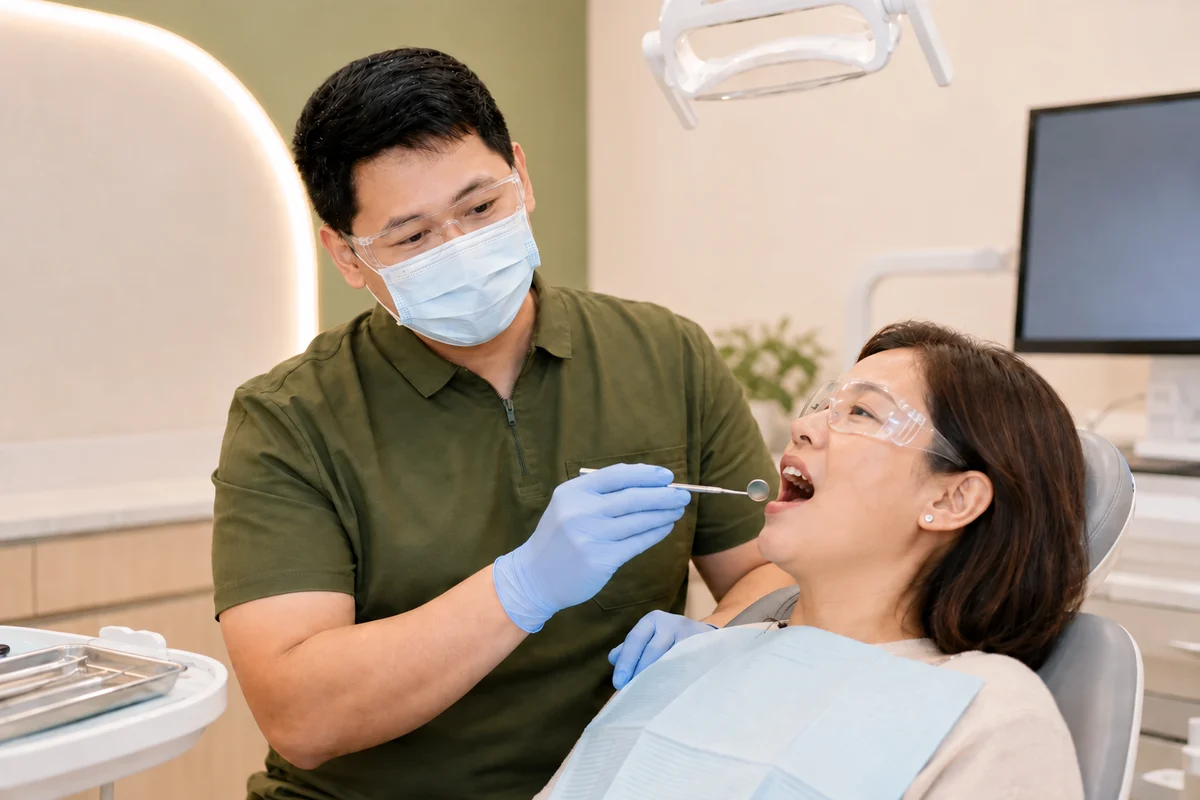
DURING YOUR VISIT
Start with the concern you have.
Describe what has been bothering you and bring your questions. An examination helps guide the discussion about suitable care.
Persistent tooth pain, deep decay or concern about a previously treated tooth can be reasons to see a dentist. Symptoms alone do not tell you which treatment is needed.
When appropriate, treatment removes inflamed or infected pulp, cleans and seals the inside of the tooth, and is followed by a suitable restoration. An examination establishes whether this is an option for you.
Ask how many visits may be needed, whether imaging and a final restoration are included in the estimate, and what follow-up is recommended. The details vary by tooth and case.
General patient education. An examination is needed for individual advice.
FROM THE CLINIC / ENDODONTIC CASES
Selected cases shared by Smile Philosophy. Explore the clinical photographs and X-rays at a larger size.
 Enlarge images
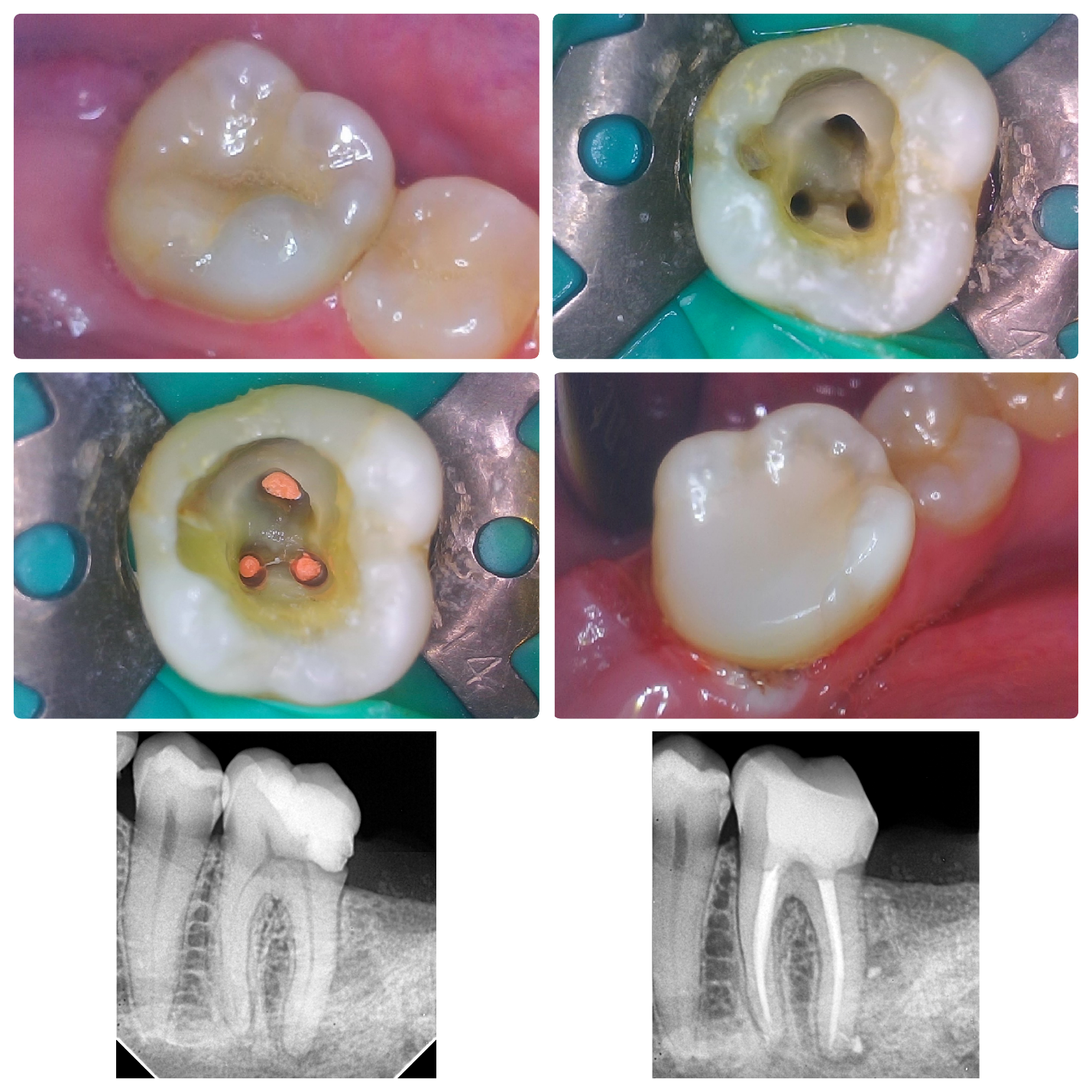
CASE 01 · CLINICAL DOCUMENTATION
The clinic documents treatment of a tooth with a large existing restoration and infection.
How do the existing restoration and the remaining tooth affect the treatment plan?
Discuss your concernFrom the clinic’s supplied case collection.
 Enlarge images
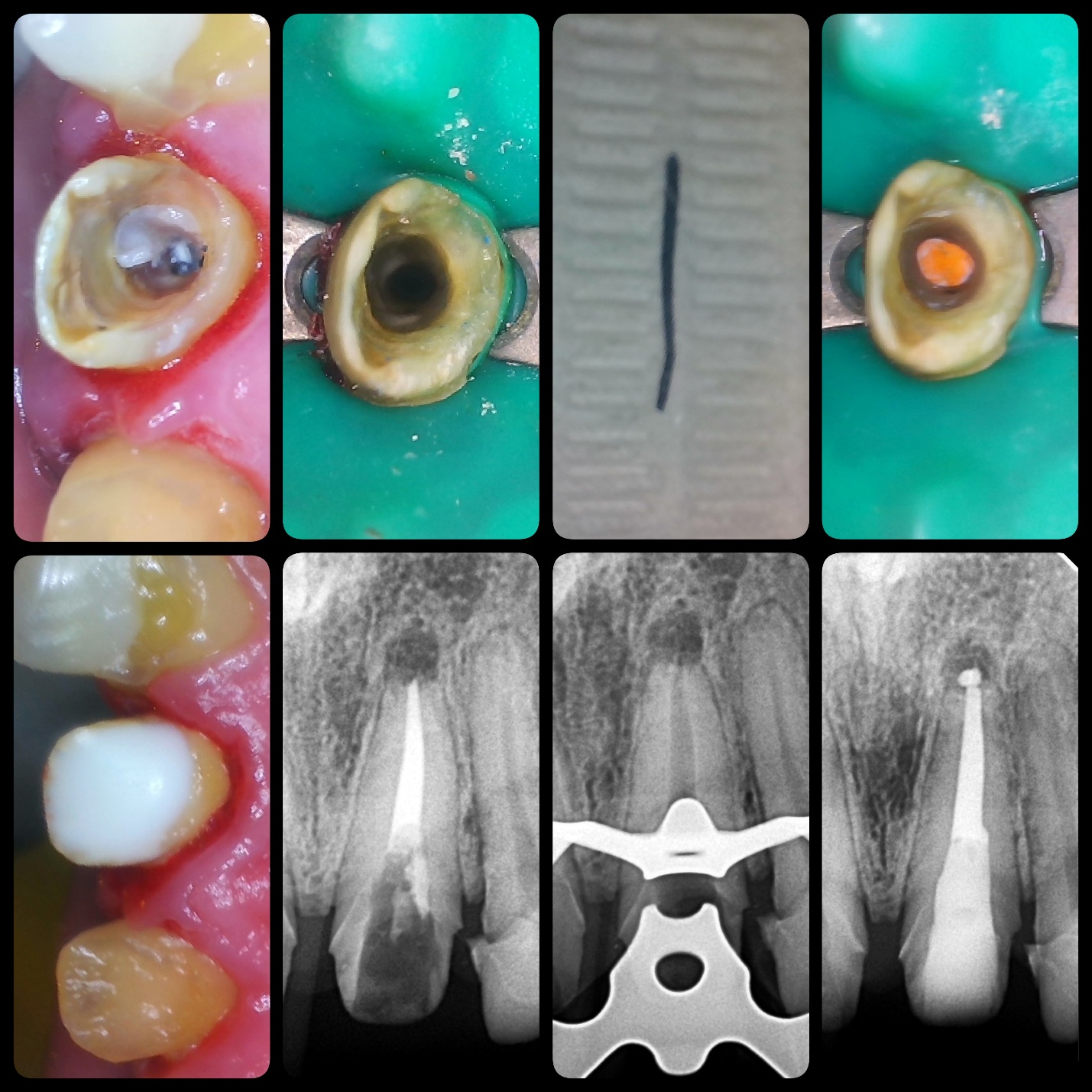
CASE 02 · CLINICAL DOCUMENTATION
This retreatment case shows a further treatment sequence for a previously treated tooth.
What needs to be assessed before considering retreatment?
Discuss your concernFrom the clinic’s supplied case collection.
 Enlarge images
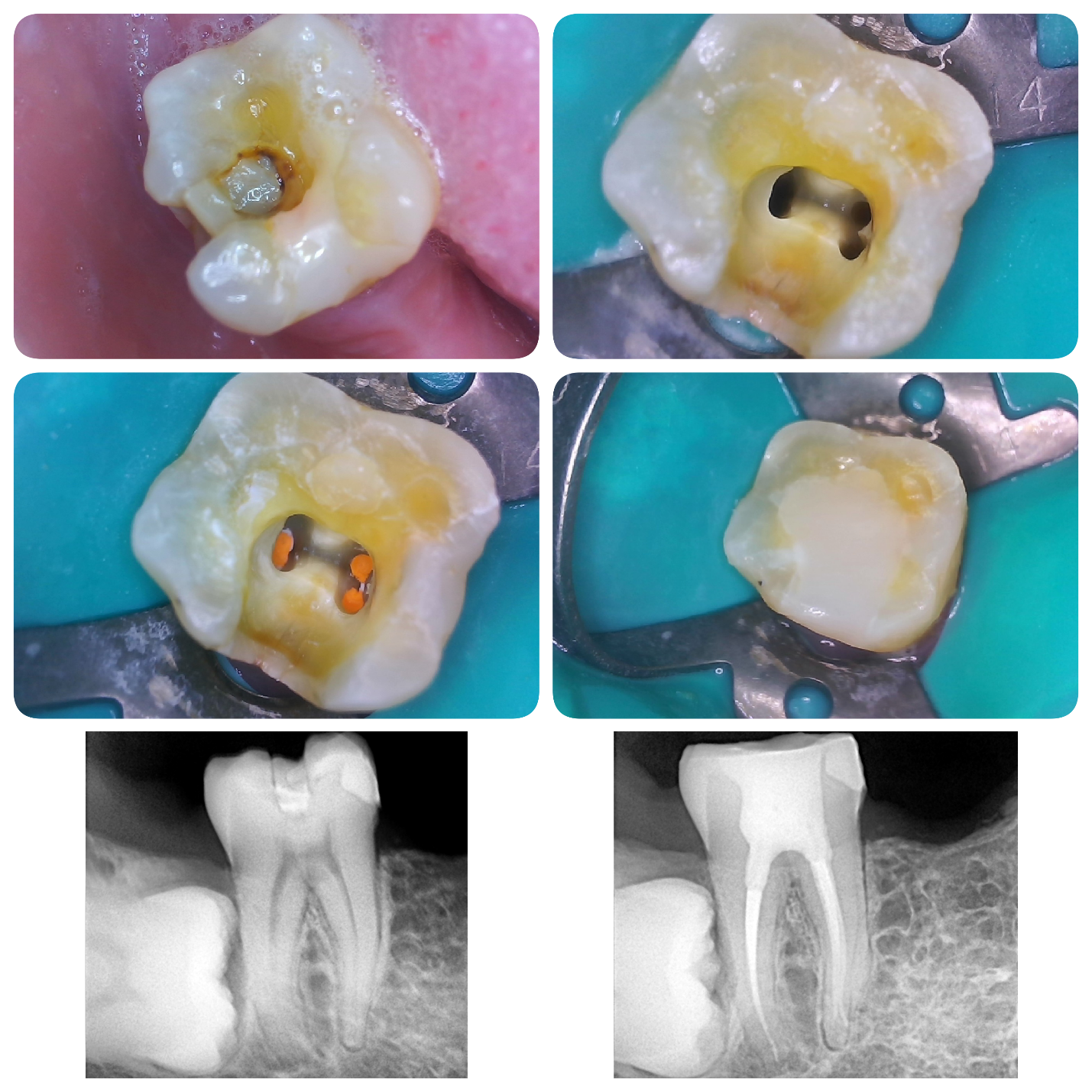
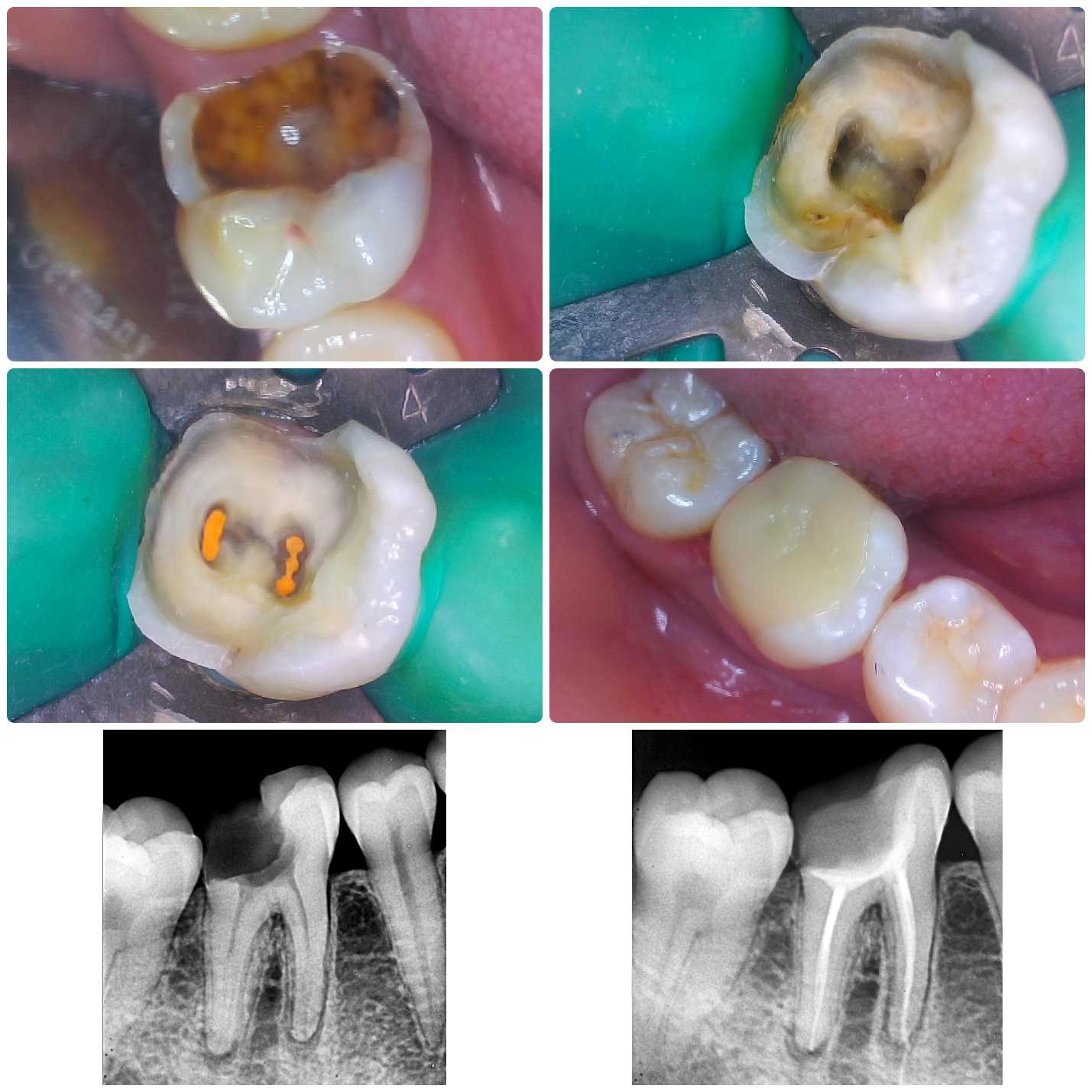
CASE 03 · CLINICAL DOCUMENTATION
The clinic records root canal treatment following assessment for sensitivity in this individual case. Sensitivity alone does not establish the treatment you need.
What could be causing my sensitivity, and which findings help distinguish the options?
Discuss your concernFrom the clinic’s supplied case collection.
 Enlarge images
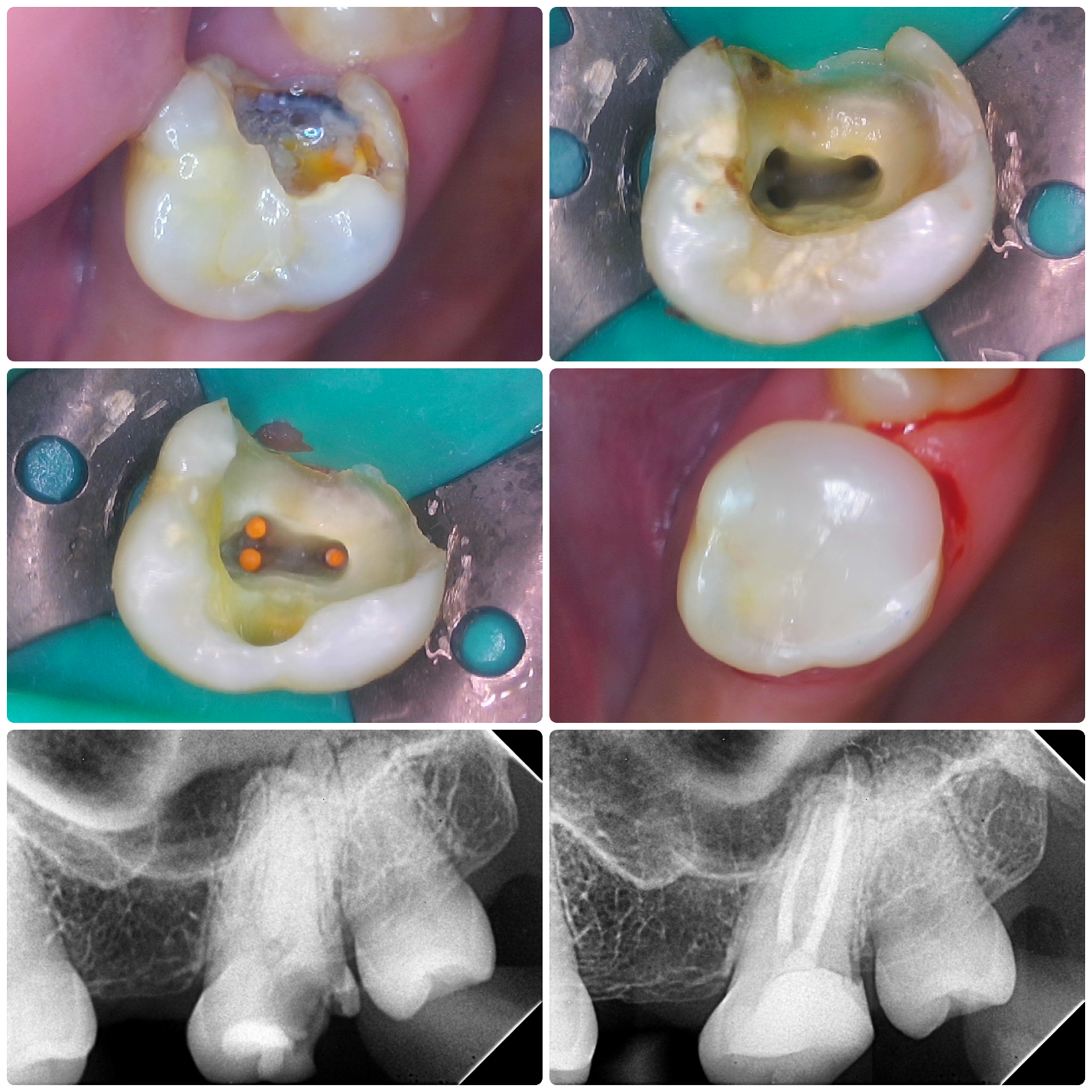
CASE 04 · CLINICAL DOCUMENTATION
A clinic-provided example of root canal treatment for deep decay and infection, followed by a 3D-printed onlay.
What restoration would suit the amount of healthy tooth structure that remains?
Discuss your concernFrom the clinic’s supplied case collection.
 Enlarge images
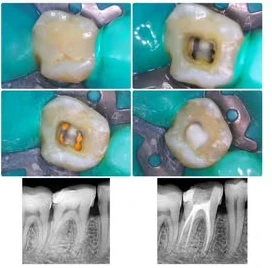
CASE 05 · CLINICAL DOCUMENTATION
This case brings together clinical photographs and X-rays from treatment for extensive decay and infection.
What do the photographs and X-rays each contribute to my assessment?
Discuss your concernFrom the clinic’s supplied case collection.
Selected images connect the visible tooth, treatment stages and X-ray documentation.
View the clinic’s original post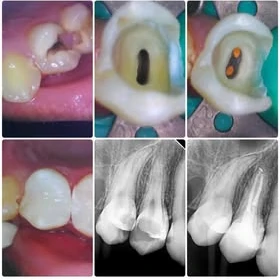
This clinic-shared sequence helps explain why assessment comes before a treatment plan.
View the clinic’s original post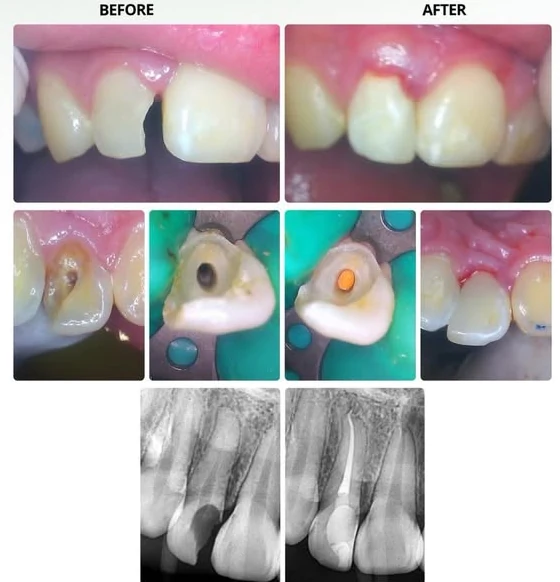
Dental photographs and X-rays record different parts of an individual treatment journey.
From the clinic’s approved case archive.
Explore the clinic’s crown and bridge cases. Links open the original Facebook posts, or the clinic-provided image where no post is linked.
Each post describes an individual case. Materials, visits and results depend on your own assessment and treatment plan.
Endodontics is the area of dentistry concerned with the soft tissues inside a tooth. Root canal treatment is one type of endodontic treatment.
No. Several dental problems can cause pain. An examination and any appropriate diagnostic records help establish the cause and suitable treatment options.
The estimate depends on the tooth, its condition, the treatment required and the final restoration. Ask for an individual plan explaining which records, visits, restoration and follow-up are included.
YOUR NEXT STEP CAN BE A CONVERSATION
Tell us what you would like to understand.
We’ll help you plan a visit to the clinic.
 Smile PhilosophyDENTAL CLINIC
FACEBOOK MESSENGER
Ask about booking a visit or the dental care you’re considering.
Continue in MessengerYour conversation continues in Messenger, in the app or a new tab. If needed, Facebook will ask you to sign in there.